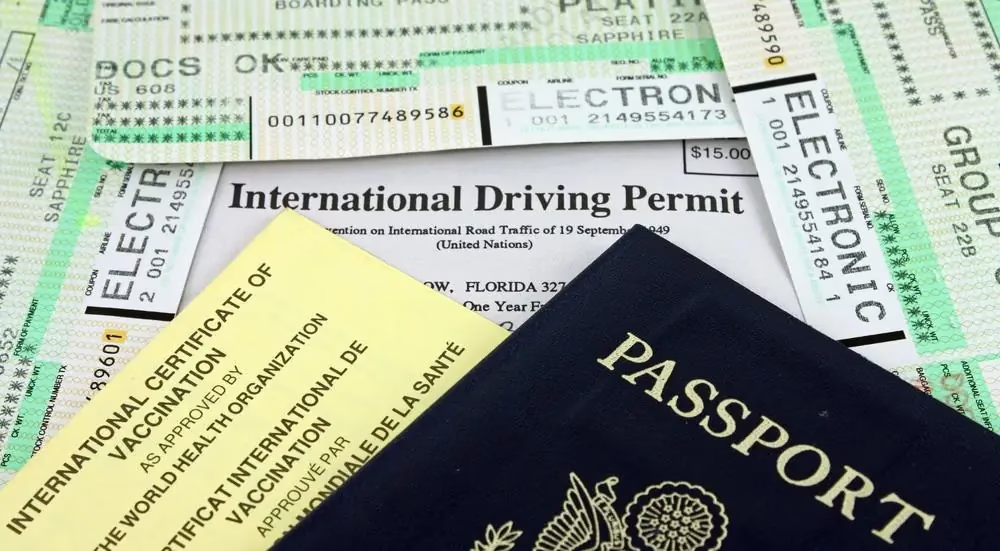

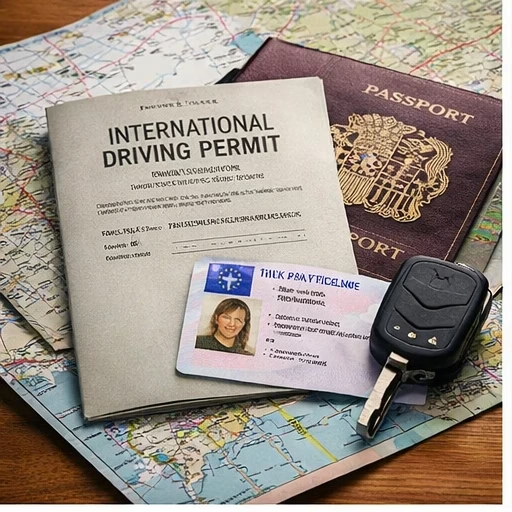
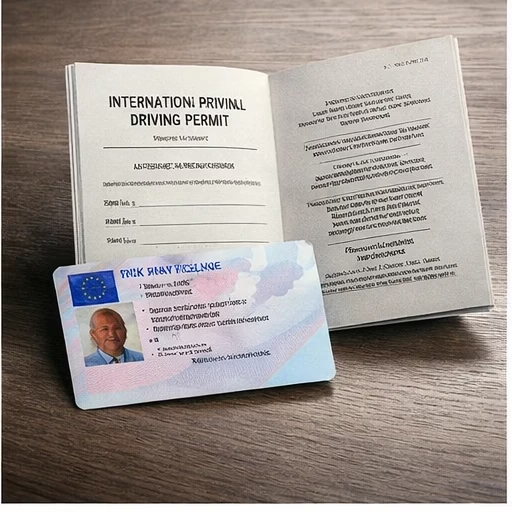
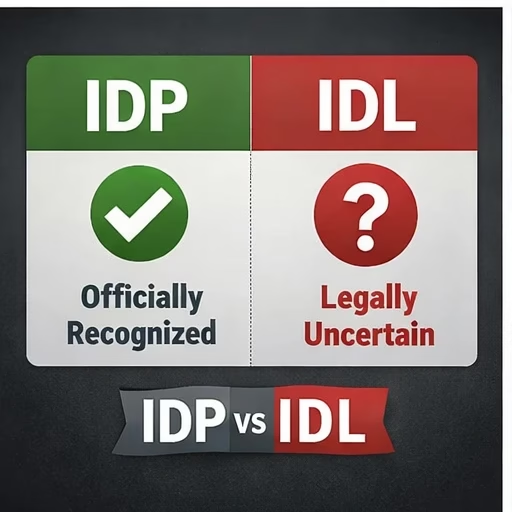

In the UK, eligible drivers can apply for International Driving Permits for use in certain countries.
Common Requirements
Drivers may need:
- A valid UK driving licence
- Passport identification
- Application fees
Different permit types may apply depending on travel destination.
At GenuineDrivingLicenceHQ.com, we help drivers understand international driving documentation requirements and licence guidance before travelling abroad.
 International Driving Permit in the United States
US drivers often use IDPs when driving internationally.
Common Uses
- Vehicle rentals abroad
- International tourism
- Temporary overseas driving
Rules depend on the destination country.
 International Driving Permit in Canada
Canadian drivers may need an IDP when travelling internationally.
Common Requirements
- Valid Canadian driving licence
- Identification documents
- Application forms
 International Driving Permit in Australia
Australian drivers frequently use IDPs for overseas travel.
Drivers Often Need Them For:
- Holiday travel
- International rentals
- Driving in non-English speaking countries
 International Driving Permit in Ireland
Irish drivers may require an IDP depending on where they plan to drive internationally.
 International Driving Permit in Germany
German drivers travelling abroad may require international driving documentation depending on destination rules.
 International Driving Rules in the European Union
EU member states generally recognize each other’s licences, but international travel outside the EU may still require an IDP.
Can You Drive Internationally Without an IDP?
In some countries, yes.
However, some countries may:
- Require an IDP by law
- Require translated licence information
- Require additional identification documents
Always check local driving laws before travelling.